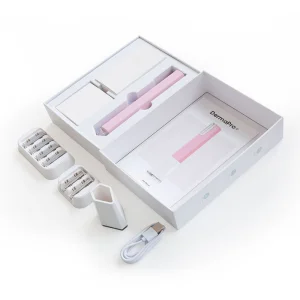
Explore our benchmark configurations engineered for rapid market penetration, dynamic clinical performance, and structural reliability.
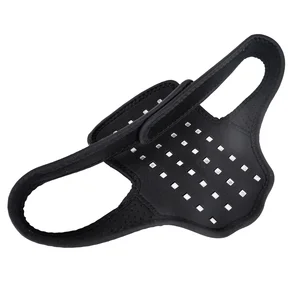


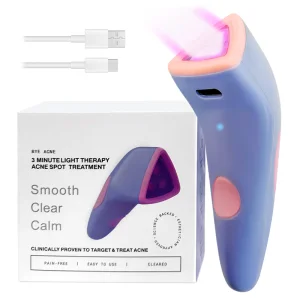
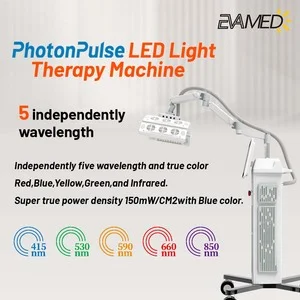

A Strategic Assessment of Advanced Photobiomodulation Manufacturing Practices
Guangzhou TK Beauty Co., Ltd. is a premier, horizontally integrated China LED Beauty Device Manufacturer specializing in the structural design, chip-level configuration, and high-volume deployment of advanced light therapy apparatuses. Our research vectors emphasize clinical-grade photobiomodulation (PBM) engineering, nasal and facial skincare innovation, and durable electronic architecture tailored for global healthcare brands, multi-tier distributors, medical spa providers, and private label enterprises. By prioritizing scientific validity and deterministic manufacturing, we engineer high-performance systems that satisfy rigorous demands for deep-tissue penetration, non-invasive therapeutic action, and continuous usability protocols.
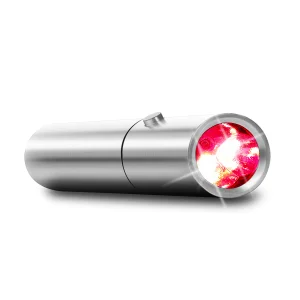
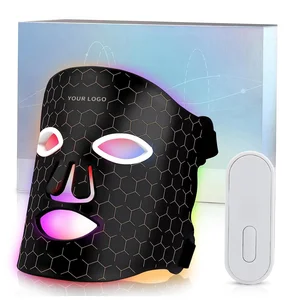
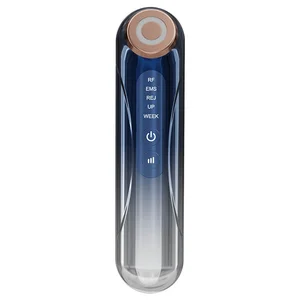
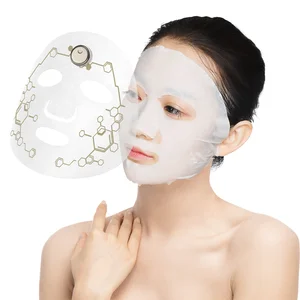
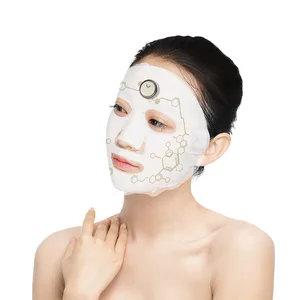
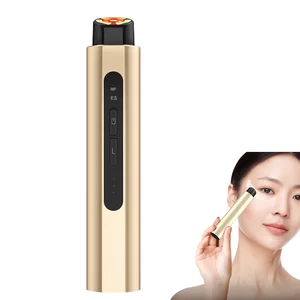
Our expansive production portfolio bridges medical aesthetics and localized targeted physiological relief. Systems encompass high-density LED intranasal wellness appliances, broad-spectrum light therapy masks, advanced structural rejuvenation devices, and localized paranasal relief apparatuses. By matching precision solid-state optoelectronics with human-centric ergonomics, our products enhance clinical treatments and home wellness settings, supporting targeted capillary dilation, tissue remediation, and accelerated biological healing models.
Operating as an elite OEM and ODM partner, Guangzhou TK Beauty Co., Ltd. delivers comprehensive design-to-delivery workflows. We support initial mechanical layout engineering, spatial diode distribution analysis, custom wavelength spectrum validation, and high-density packaging deployment. Our engineering teams guide corporate partners through complex prototyping stages to ensure final products preserve clear market positioning while optimizing production yields and international cost-efficiency metrics.
The Electro-Optical Standards Guiding Modern Sinus and Subdermal Phototherapy
True clinical efficacy in phototherapy requires narrow-band spectral accuracy and managed optical power distribution. While superficial treatments rely on surface absorption, target zones within deep tissue—such as paranasal cavities and complex mucosal layers—demand strict control over forward current, thermal resistance, and peak radiant flux. Guangzhou TK Beauty Co., Ltd. builds devices utilizing specific multi-wavelength arrays (630nm, 660nm, 810nm, and 850nm) to manage tissue penetration depths while ensuring safe operating thresholds.
Our diodes preserve strict geometric tolerances with a narrow spectral half-width (Δλ ≤ 15nm). This precise wavelength concentration prevents energy dispersion into non-therapeutic thermal bands, maximizing cellular absorption within target tissue layers.
We calibrate output values within a targeted therapeutic window (30mW/cm² to 120mW/cm²) at measured distances. This consistent energy output triggers cellular response without risking thermal injury to sensitive mucosal membranes.
Advanced embedded microcontrollers operate at selectable pulsing frequencies (ranging from 10Hz up to 40Hz). This structured cycle provides a balance of thermal relaxation periods, allowing higher peak energy output while preventing tissue overheating.
When narrow-band photons in the 660nm to 850nm range interact with target tissue, they are absorbed by Cytochrome c Oxidase (CcO) within the mitochondrial respiratory chain. This interaction stimulates increased Adenosine Triphosphate (ATP) production, modulates localized Nitric Oxide (NO) levels, and helps balance reactive oxygen species (ROS). These underlying cellular changes support improved localized blood flow, reduced mucosal congestion, and natural tissue repair mechanisms.
How Custom Phototherapy Architecture Addresses Diverse Regional and Environmental Needs
Environmental variables directly influence consumer wellness requirements. By adapting optical configurations to specific climates, regional allergy patterns, and lifestyle habits, our B2B partners can deliver highly targeted solutions for their local markets.
In high-latitude or continental winter regions, prolonged exposure to dry, low-temperature air often compromises natural nasal moisture levels. Integrated warm-wavelength arrays stimulate microcirculation, helping maintain natural tissue defense systems against cold-weather congestion.
Densely populated industrial areas often experience elevated levels of airborne particulates. Devices deployed in these regions focus on supporting mucosal cellular health, helping clear debris and strengthening natural upper respiratory defenses.
During peak pollen transitions, target zones require stabilizing therapy options. Utilizing non-thermal 660nm photobiomodulation helps manage tissue sensitivity, offering a reliable, drug-free wellness alternative for seasonal comfort.
Inside Our Specialized Guangzhou SMT Production Facility
Our manufacturing philosophy balances strict quality control with scale efficiency. Operating within Guangzhou's advanced industrial ecosystem, Guangzhou TK Beauty Co., Ltd. maintains direct control over component sourcing, automated Surface Mount Technology (SMT) workflows, and rigorous optical testing cycles. This unified infrastructure ensures reliable lead times, stable material costs, and consistent performance across production runs.
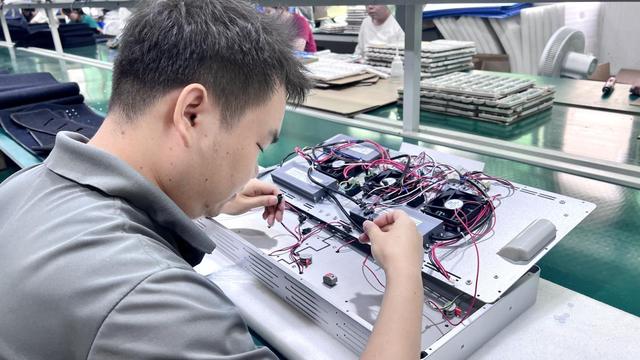
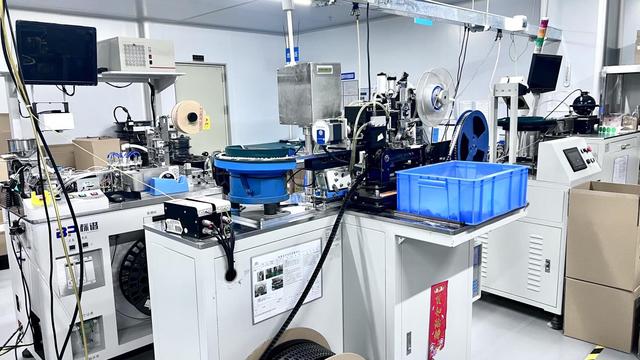
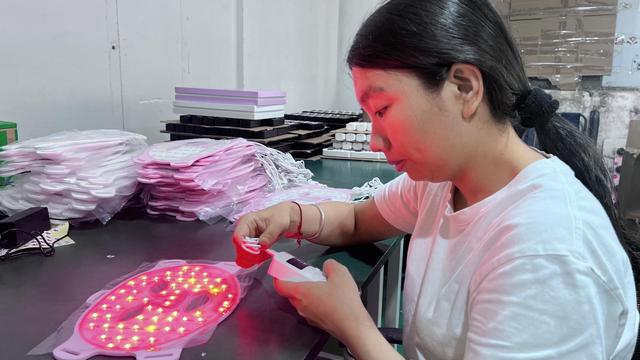
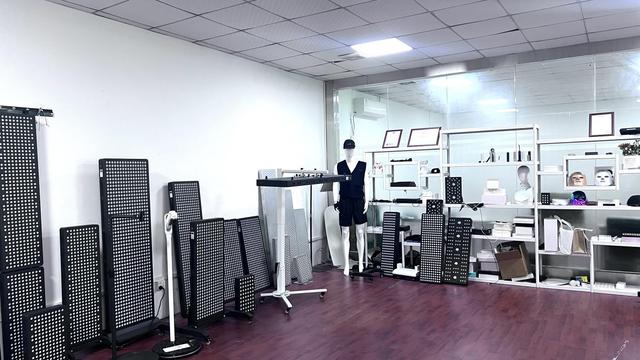
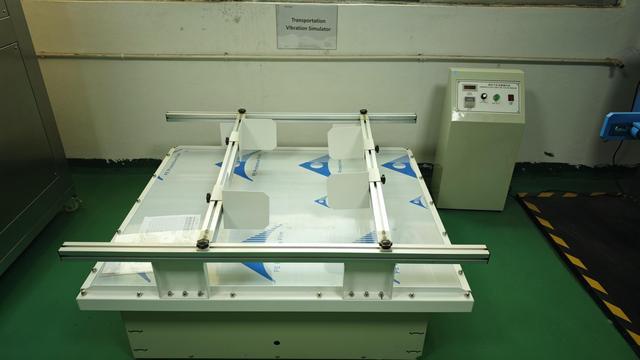
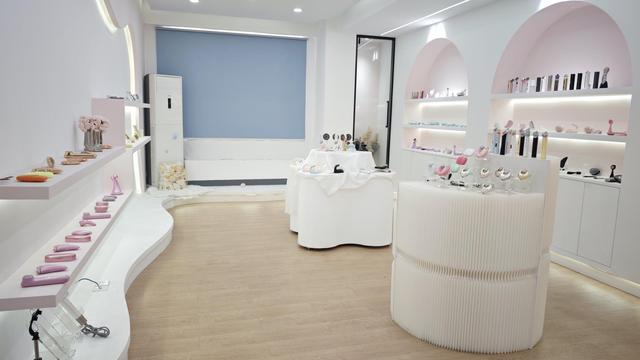

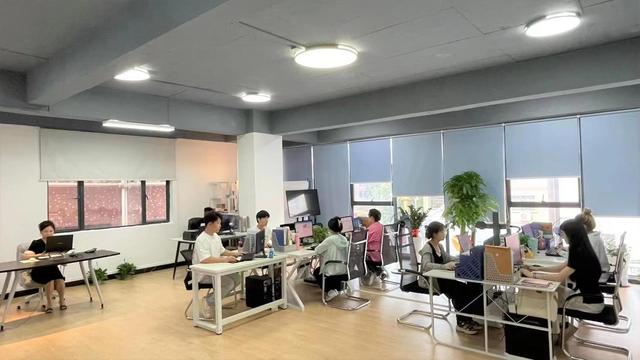
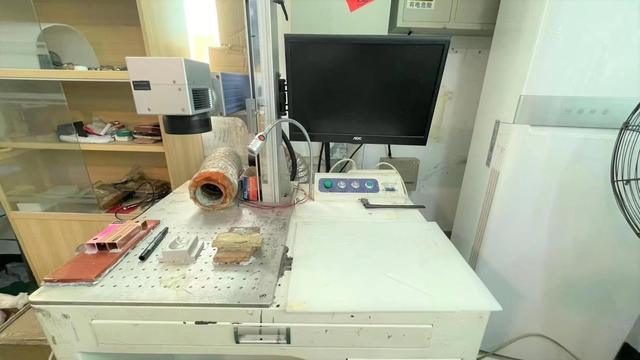
By employing automated optical inspection (AOI) systems alongside real-time spectroradiometric monitoring, we assess every device for emission uniformity and thermal stability before packaging. This integrated manufacturing approach helps international buyers minimize transit logistics overhead while securing highly dependable product quality.
Where Photobiomodulation Meets Smart Interconnected Health Ecologies
Integrating localized smart photodiode sensors allows devices to monitor immediate tissue reflection characteristics. The onboard controller automatically adjusts active power density to provide ideal illumination parameters based on individual tissue profiles.
Our upcoming software architecture enables staggered emission sequences, alternating between 630nm superficial stimulation and 830nm deep-tissue penetration to coordinate multi-level recovery processes across different cellular depths.
Integrating ultra-low energy Bluetooth (BLE) transceivers allows tracking of usage frequency, session compliance, and self-reported wellness markers, providing actionable usage data for telehealth analytics.
Navigating International Standards to Guarantee Reliable Operational Deployment
Deploying personal care electronics across international markets requires navigating a complex landscape of safety and performance standards. Guangzhou TK Beauty Co., Ltd. maintains rigorous testing and documentation systems to streamline compliance across major global regions.
We build hardware to comply with FCC Part 15 subpart B guidelines for electromagnetic compatibility, alongside relevant safety parameters, simplifying entry into major retail and online marketplaces.
Technical files are organized to support CE marking workflows under applicable personal wellness directives. We use certified components that comply with RoHS and REACH standards for material safety.
Our power supplies, charging circuits, and lithium battery configurations meet strict regional requirements, including PSE, KC, and CB schemes, ensuring safe and reliable distribution.
Expert technical insights regarding engineering specifications, procurement pipelines, and customization parameters.
Explore our technical configurations designed for comprehensive facial wellness and multi-tier market demand.


 TK Beauty