Years Phototherapy R&D Experience
Medical-Grade Optical Calibration
Global Destination Markets Covered
13485 & 9001 Facility Compliance
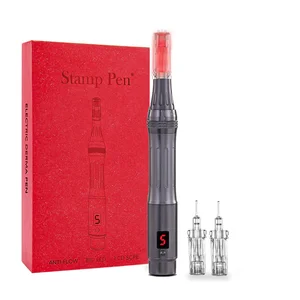
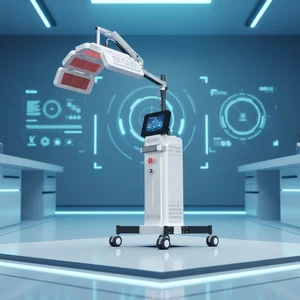
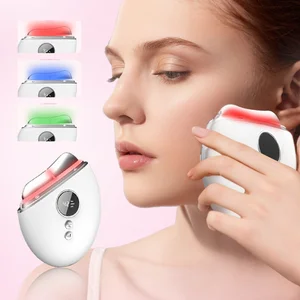
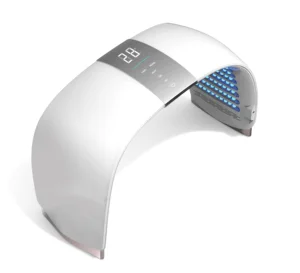
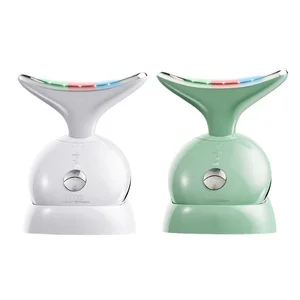
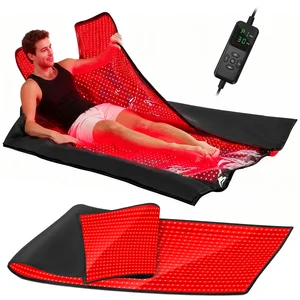
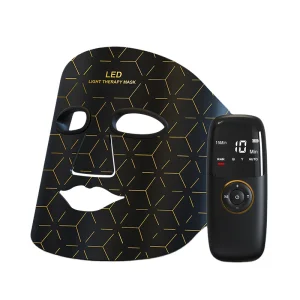
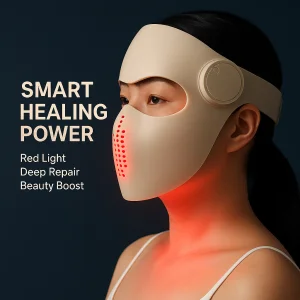
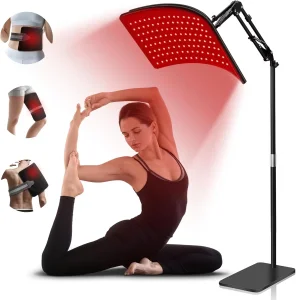
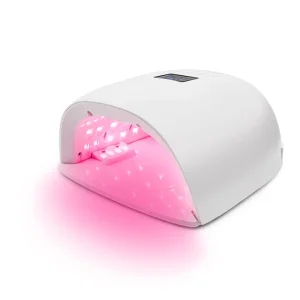
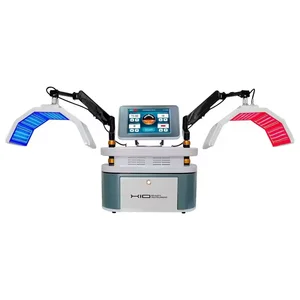
Explore our structurally validated aesthetic devices engineered for global commercial distribution. Each unit balances precision wavelength uniformity, thermal mitigation safety mechanisms, and intuitive structural designs tailored for long-term clinical durability.
Atrophic and hypertrophic acne scarring presents a complex pathological architecture requiring multi-tiered cellular interventions. Within the domain of dermatological device engineering, the synthesis of targeted optical wavelengths represents the absolute frontier of non-invasive scar remodeling. As a pioneering B2B enterprise operating at this intersection, Guangzhou TK Beauty Co., Ltd. develops high-performance systems that precisely alter the dermal microenvironment to facilitate structural extracellular matrix (ECM) reorganization.
The primary mechanism underlying our targeted phototherapeutic equipment hinges on the modulation of fibroblasts and inflammatory cytokines. Narrowband Blue Light (typically calibrated between 415nm and 420nm) acts as the baseline antimicrobial mechanism, exciting endogenous porphyrins within Cutibacterium acnes. This reaction induces a localized singlet-oxygen release that neutralizes active microbial colonization without damaging adjacent structural tissues, thereby arresting the primary inflammatory pathways that cause atrophic boxcar, rolling, and icepick scars.
Simultaneously, the deployment of Deep Red Light (630nm to 660nm) penetrates past the papillary dermis into the reticular layers. Here, it is captured by cytochrome c oxidase within the mitochondrial respiratory chain, accelerating the synthesis of Adenosine Triphosphate (ATP). This surge in cellular energy fuels the up-regulation of Type I and Type III pro-collagen, which gradually elevates depressed tissue profiles characteristic of post-inflammatory atrophic scarring. For severe fibrotic scar formations, Near-Infrared (NIR) spectrums (830nm to 1064nm) are strategically integrated to modulate Transforming Growth Factor-beta (TGF-β) expressions, shifting the cellular trajectory away from chaotic scar collagen alignment toward organized, healthy tissue architectures.
To support global medical device brands and private labels in establishing long-term competitive differentiation, our R&D lifecycle follows a rigorous, data-driven technical roadmap. Our manufacturing architecture focuses on three fundamental engineering pillars:
Our surface-mount device (SMD) LED arrays are engineered with tight binning control. This guarantees uniform light distribution ($mW/cm^2$) across the treatment surface, eliminating cold spots and ensuring consistent treatment dosages ($J/cm^2$) across clinical testing groups.
Optical output degrades as junction temperatures rise. Our proprietary multi-layer copper-clad PCBs, integrated with copper heat pipes or micro-fan convection arrays, maintain stable operating temperatures below 40°C. This ensures consistent spectral output and extends the system's operating lifespan past 50,000 continuous hours.
Moving beyond legacy continuous wave configurations, our next-generation control systems feature programmable pulse widths and frequencies (ranging from 10Hz to 2000Hz). Pulsed delivery optimizes cellular response times and manages thermal dissipation, allowing higher peak irradiance without risk of thermal injury or hyperpigmentation.
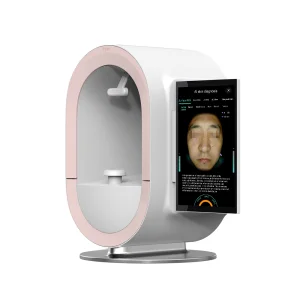
Looking toward future advancements, Guangzhou TK Beauty Co., Ltd. is actively embedding multi-spectral diagnostic arrays directly into our phototherapy platforms. By merging artificial intelligence (AI) sub-surface dermoscopy with multi-wavelength light panels, future generation devices will dynamically adapt their light profile in real-time. These systems will automatically modulate blue, red, and near-infrared intensity based on localized melanin concentration, sebum production levels, and the precise mechanical depth of structural scarring.
Navigating international market environments requires deep familiarity with regional user demographic variances and localized deployment scenarios. As an established, comprehensive China LED Beauty Device Manufacturer, we refine and optimize device hardware to match the specific regulatory and experiential preferences of destination markets:
The North American ecosystem prioritizes rapid, observable outcomes, requiring high peak irradiance values and large treatment areas to minimize session times. In the consumer space, seamless IoT connectivity, premium app integration, and sleek, minimalist form factors are standard expectations. Devices must comply with FDA 510(k) Class II regulations, featuring fail-safe auto-shutoff mechanisms and proximity sensors to prevent accidental ocular overexposure.
The European landscape requires absolute adherence to rigorous eco-design principles, material safety guidelines (RoHS/WEEE), and the complex medical device framework established under the EU Medical Device Regulation (MDR 2017/745). European end-users value long-term product repairability, sustainable packaging, and medically validated clinical evidence. Our engineering teams prioritize medical-grade biocompatible silicone for wearable masks and robust mechanical counterbalances for panel equipment used in clinics.
In the APAC region, particularly across tier-one clinical markets in South Korea, Japan, and coastal China, the integration of light therapy with traditional dermatology treatments is highly sophisticated. Devices engineered for these markets must combine seamlessly with topical active ingredients, microneedling protocols, or radiofrequency systems. Additionally, compact space utilization and highly specific treatment settings for post-inflammatory hyperpigmentation (PIH)-prone skin phenotypes are vital considerations.
The Middle Eastern prestige market shows strong demand for multi-functional, full-body light therapy setups and luxury clinical suites. Procurement managers in regional hubs look for robust continuous performance parameters capable of handling fluctuating ambient temperatures. They also prioritize customizable premium finishes, including brushed metallics, soft-touch matte textures, and bespoke multi-lingual software interfaces configured for regional aesthetics.
The global competitiveness of Guangzhou TK Beauty Co., Ltd. rests on the structural integration of our localized manufacturing infrastructure. Located within the heart of South China's advanced electronics and medical equipment cluster, our manufacturing base provides partners with deep structural efficiencies, rapid iteration cycles, and absolute pricing protection against global supply fluctuations.
Our deep vertical integration covers every stage of the manufacturing lifecycle. From raw optoelectronic material sourcing and cleanroom SMT chip placement to precision plastic injection tooling, final assembly, and international logistics, every phase is managed under one unified quality architecture. This centralized framework removes multi-tier sourcing markups, allowing us to source premium materials—such as medical-grade silicone, high-purity optical grade lenses, and premium controller chipsets—at optimized volume tiers.
Furthermore, our facilities maintain rigorous business continuity and risk-mitigation systems. Backed by dual-source component architectures and long-term strategic raw material reserves, our production lines stay insulated from macroeconomic component shortages or localized distribution bottlenecks. This foundational stability ensures global distributors receive consistent delivery cadences, predictable wholesale pricing structures, and agile scaling capabilities during periods of peak market demand.
Our comprehensive portfolio covers advanced LED beauty devices, light therapy equipment, skin rejuvenation devices, anti-aging beauty tools, facial care devices, skincare technology products, personal beauty electronics, and customized beauty solutions. Combining advanced LED technology with user-friendly designs, our products are developed to enhance skincare routines, improve user experience, and support healthier-looking skin.
At Guangzhou TK Beauty Co., Ltd., we provide comprehensive OEM and ODM manufacturing services, enabling customers to create unique beauty technology products tailored to their brand requirements. From product design and engineering to packaging development, branding, and large-scale production, our experienced team provides complete support throughout the product lifecycle.
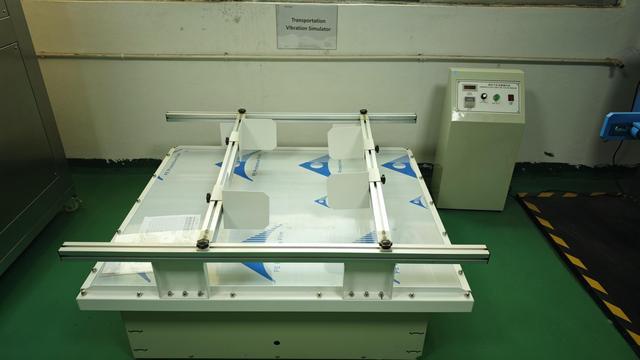
Quality, safety, and reliability form the foundation of our production philosophy. Our manufacturing facilities operate under strict quality management systems and leverage specialized testing instrumentation to guarantee uniform product performance and compliance with evolving international standards. Continuous investment in research and development keeps our engineering designs ahead of emerging beauty technology trends, allowing us to deliver reliable, high-yield solutions to partners worldwide.
We are equally dedicated to sustainable manufacturing practices and responsible product life cycles, helping our corporate partners launch market-differentiating beauty solutions while supporting environmental responsibility and stable, long-term business growth. Serving clients across North America, Europe, Asia, the Middle East, and other international markets, Guangzhou TK Beauty Co., Ltd. has established a trusted reputation as a premier supplier of high-performance beauty technology platforms and clinical skin devices.
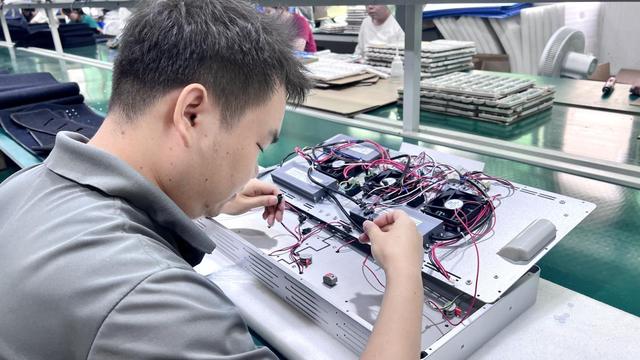
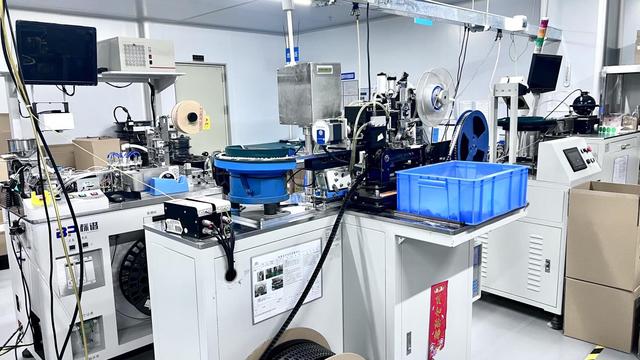
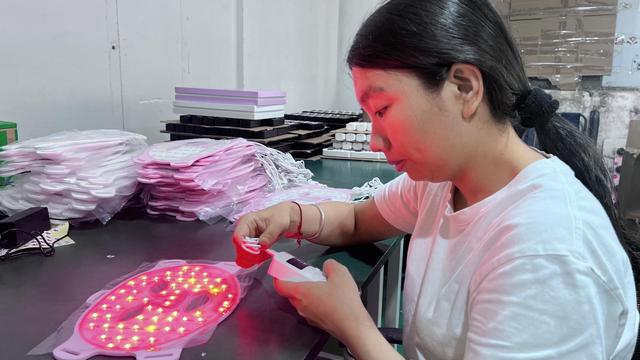
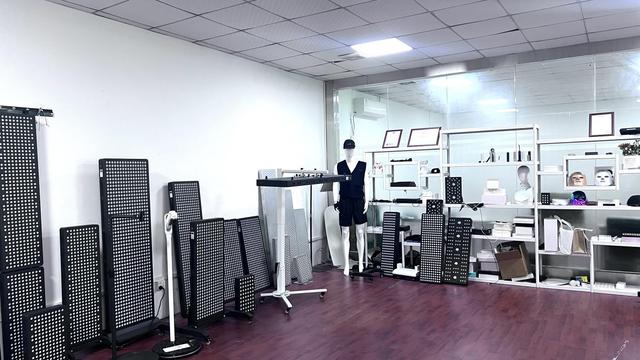
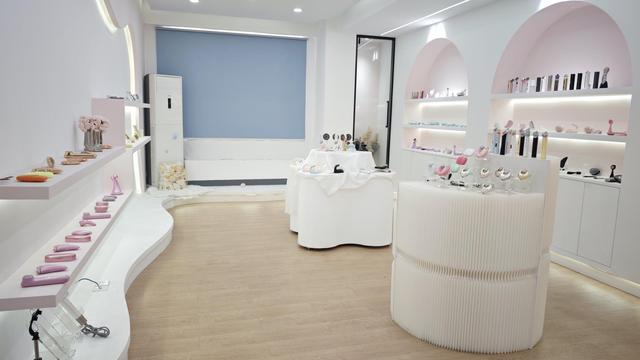
Take an inside look at our certified manufacturing environment, featuring static-free assembly cleanrooms, automated optical testing labs, and high-precision injection tooling areas. These systems ensure every device aligns perfectly with our client specifications.
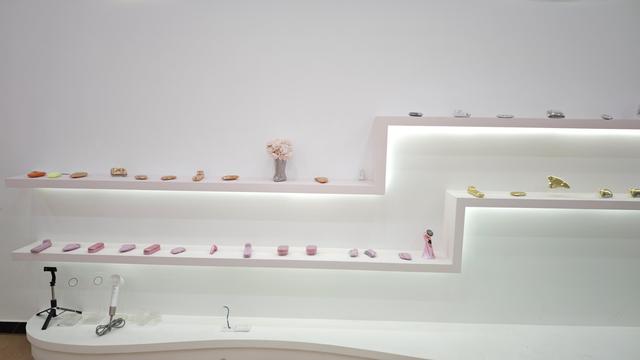
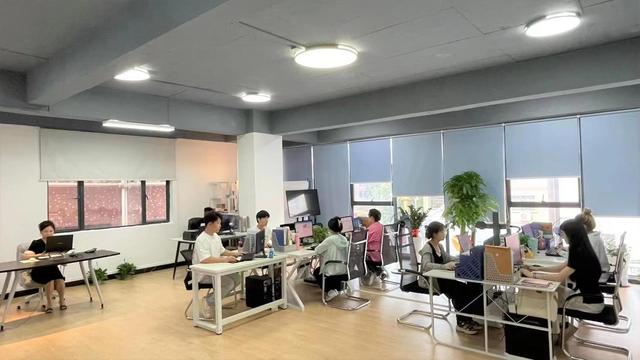
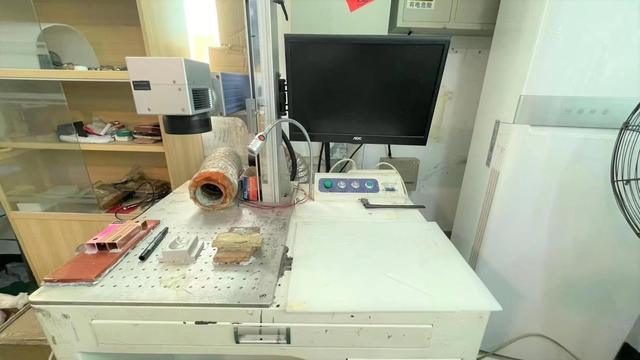
Review essential technical, logistical, and engineering considerations when selecting an OEM/ODM manufacturing partner for clinical light therapy equipment.
Review our advanced, high-performance skincare devices designed for specialized retail expansion and medical-spa clinical integration worldwide.
 TK Beauty