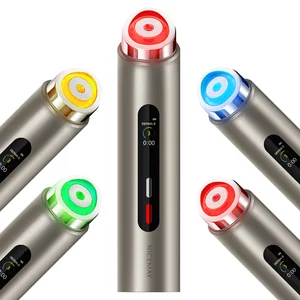
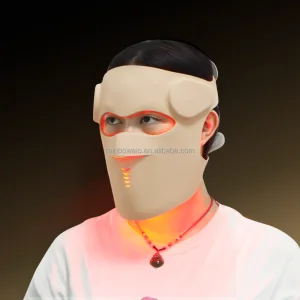
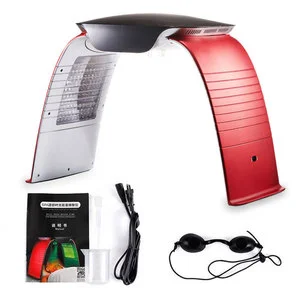
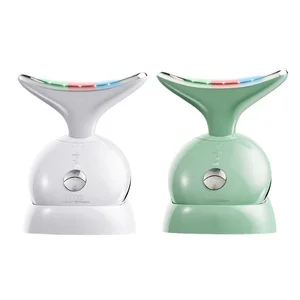
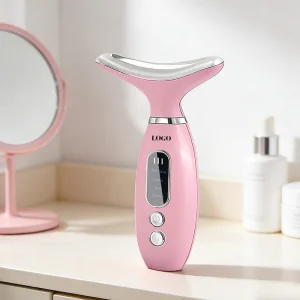
Immediate access to certified medical-grade componentry, high-irradiance targeted spectral configurations, and globally standardized production batches.
Understanding the biological mechanics of cell proliferation, tissue repair, and deep spectral tissue penetration metrics.
The concept of cicatrization—the complex biological path by which the human body repairs dermal injuries and forms corrective scar configurations—has shifted from a passive recovery window into an actively engineered therapeutic process. Modern clinical protocols leverage targeted Photobiomodulation (PBM) via dense LED matrix arrays to significantly compress cellular recovery phases. By introducing tight-tolerance non-thermal optical wavelengths, advanced cicatrization hardware acts directly on deep cellular elements without causing thermal damage to delicate skin layers.
When localized tissue absorbs specific light profiles, the primary cellular response happens within the mitochondria. Photons interact directly with Cytochrome c Oxidase (CCO), a critical respiratory enzyme chain component. This interaction triggers an immediate spike in Adenosine Triphosphate (ATP) synthesis, prompting cells to rapidly process nutrients and clear metabolic waste. At the same time, it modulates reactive oxygen species (ROS) and activates key transcription factors, accelerating structural protein synthesis across compromised tissue layers.
From an engineering standpoint, effective cicatrization requires exceptional spectral control and uniform energy delivery. Standard consumer-grade beauty tools often suffer from wider wavelength drifting, which degrades clinical performance. In contrast, advanced manufacturing platforms utilize narrow-band semiconductor chips to deliver targeted optical energy to exact tissue depths:
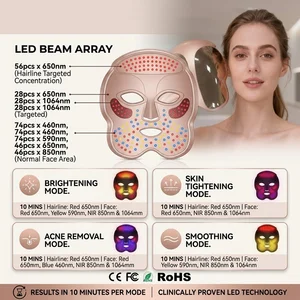
• 630nm Wavelengths: Target the upper dermal layers to boost fibroblast activity, step up type-I collagen production, and smooth out surface textures.
• 830nm & 850nm Near-Infrared (NIR): Penetrate much deeper to calm widespread inflammation, accelerate macro-phage transition phases, and support capillary network rebuilding.
• 1070nm Deep-Infrared Wavelengths: Reach sub-cutaneous structural matrices to assist with deep post-surgical healing and complex scar remodeling treatments.
How the global photobiomodulation market is moving from large, static clinical installations to flexible, high-density smart wear systems.
Modern production designs are moving away from single-wavelength light boards. Next-generation systems feature multi-wavelength surface-mount micro-emitters. These advanced configurations combine visible red, near-infrared, and deep-infrared spectrums on a single circuit node to deliver layered tissue stimulation simultaneously.
Rigid plastic enclosures are being replaced by ultra-flexible, medical-grade liquid silicone membranes. These ergonomic designs adapt precisely to diverse body shapes, maintaining a uniform distance between the light source and the skin to prevent energy loss and ensure consistent treatment dosing.
AI-driven components utilize integrated skin-impedance and optical sensor loops to continuously monitor real-time surface conditions. This allows the system to auto-adjust irradiance output levels dynamically, optimizing energy absorption profiles for safe, individualized healing outcomes.
Evaluating compliance structures, supply stability, and engineering verification requirements for large-scale enterprise buyers.
For international healthcare brands, aesthetic distributors, and high-volume e-commerce networks, sourcing LED cicatrization platforms requires balancing regulatory compliance with manufacturing consistency. Because these devices interact directly with compromised tissue, procurement managers must look beyond basic pricing metrics. They require complete visibility into factory testing histories and quality control data streams.
Key risk management focuses on verifying MDR compliance path structures, FDA 510(k) clearances, and ISO 13485 medical device management protocols. A reliable production facility must provide traceable optical testing records that document precise irradiance levels ($mW/cm^2$) at specific target distances. This data confirms the hardware delivers therapeutic energy levels without generating focal heat hot spots that could compromise user safety.
Furthermore, global enterprises look for agile white-label production capacities that can easily adapt to localized branding requirements. This requires design blueprints capable of integrating custom enclosure materials, specialized user interfaces, and custom firmware parameters while maintaining the core electrical and thermal safety certifications. By establishing deep, transparent technical partnerships with Tier-1 Chinese manufacturing centers, enterprise buyers protect their supply lines against sudden regulatory changes and quality variance risks.
An authoritative operational blueprint demonstrating advanced light therapy manufacturing, product compliance, and supply chain scalability.
Guangzhou TK Beauty Co., Ltd. is a professional China LED Beauty Device Manufacturer specializing in advanced light therapy technology, skincare innovation, and beauty device solutions for global beauty brands, distributors, retailers, e-commerce businesses, and private label companies. With a commitment to technological innovation and product excellence, we provide high-performance beauty devices designed to meet the growing demand for effective and convenient at-home skincare solutions.
Our extensive product portfolio includes LED beauty devices, light therapy equipment, skin rejuvenation devices, anti-aging beauty tools, facial care devices, skincare technology products, personal beauty electronics, and customized beauty solutions. Combining advanced LED technology with user-friendly designs, our products are developed to enhance skincare routines, improve user experience, and support healthier-looking skin.
At Guangzhou TK Beauty Co., Ltd., we offer comprehensive OEM and ODM manufacturing services, enabling customers to create unique beauty technology products tailored to their brand requirements. From product design and engineering to packaging development, branding, and large-scale production, our experienced team provides complete support throughout the product lifecycle.
Quality, safety, and reliability are at the core of our manufacturing philosophy. Our production facilities operate under strict quality management systems and utilize advanced manufacturing equipment to ensure consistent product performance and compliance with international standards. Continuous investment in research and development allows us to stay at the forefront of emerging beauty technology trends and deliver innovative solutions to customers worldwide.
We are also committed to sustainable manufacturing practices and responsible product development, helping partners create competitive beauty products while supporting environmental responsibility and long-term business growth.
Serving clients across North America, Europe, Asia, the Middle East, and other international markets, Guangzhou TK Beauty Co., Ltd. has built a strong reputation as a trusted supplier of beauty technology products and skincare devices.
Analyzing performance requirements across clinical outpatient departments, luxury medspas, and retail personal care environments.
In post-op rehabilitation clinics, precision cicatrization platforms speed up incision closing times, minimize aberrant keloid structures, and relieve localized pain after invasive operations. High-irradiance output controls allow clinical staff to tailor treatment protocols to individual recovery timelines.
Medical spas combine photobiomodulation arrays with energy-based therapies like fractional lasers, microneedling, or chemical peels. Delivering targeted light therapy immediately after these treatments rapidly calms surface redness, reduces patient downtime, and boosts overall skin rejuvenation outcomes.
The premium personal care market demands ergonomically designed, lightweight wear systems that deliver clinical-grade wavelengths safely at home. Simple interface structures, smart automated timers, and long-life rechargeable battery configurations ensure consistent consumer compliance and ease of use.
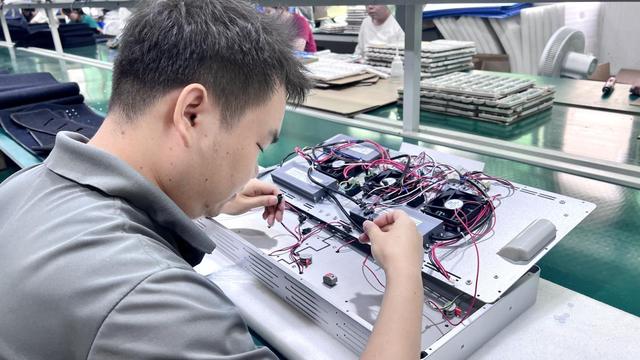
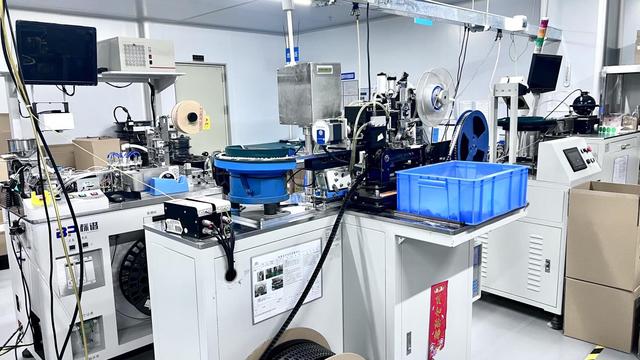
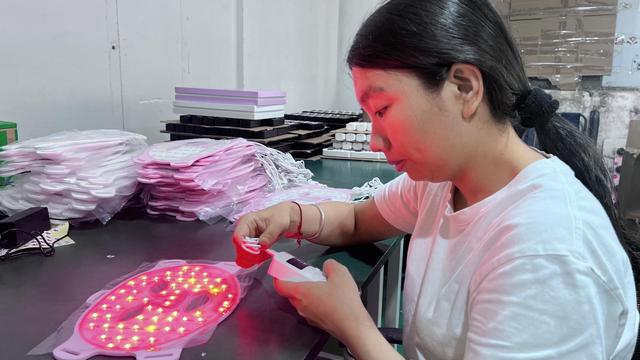
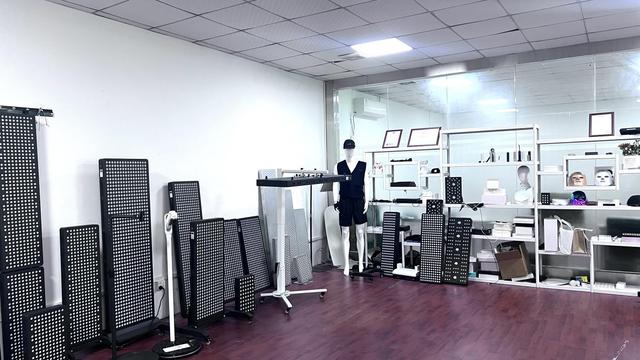
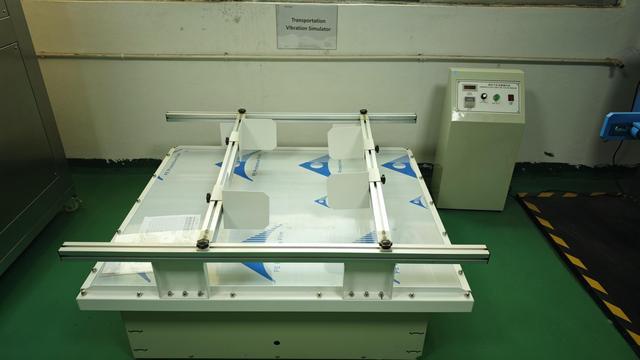
Inside our advanced manufacturing center: Traceable cleanroom workflows, high-precision automated assembly lines, and rigorous spectral calibration testing.
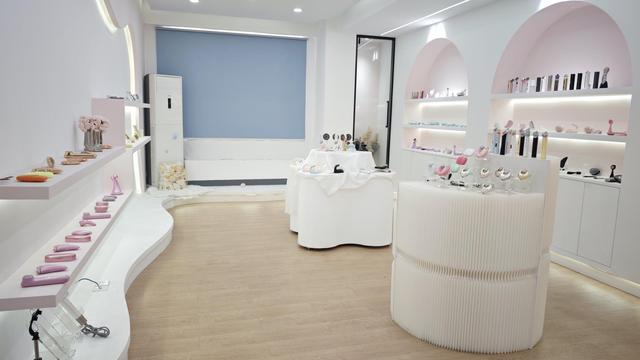

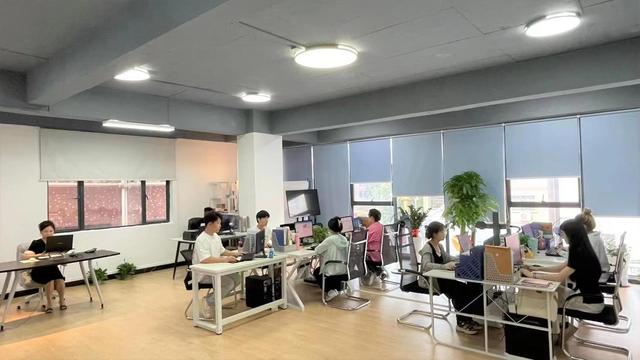
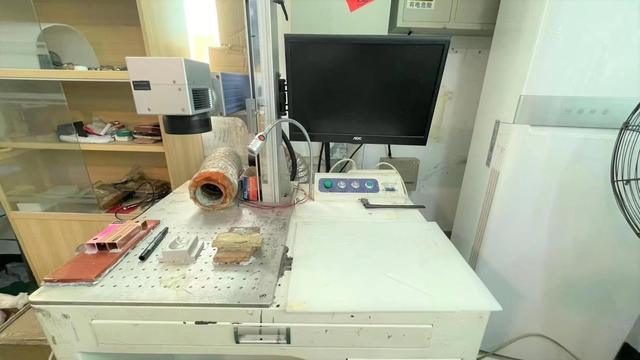
Answers to critical questions regarding engineering parameters, international testing certifications, and volume production timelines.
True clinical efficacy depends on target wavelength accuracy (typically centered at 630nm, 830nm, or 850nm with a narrow tolerance of ±5nm) and sufficient target irradiance ($mW/cm^2$). Delivering the proper energy density (measured in Joules per square centimeter, $J/cm^2$) ensures photons penetrate deep enough into dermal layers to trigger ATP synthesis within cell mitochondria without overheating surface tissue.
We integrate thin, highly conductive copper trace pathways combined with customized metal-backed PCB structures. For flexible liquid silicone systems, we incorporate micro-perforated air channels and smart over-current protection hardware. This passive and active thermal management keeps surface contact temperatures safely under 41°C, preventing skin irritation during extended treatments.
Our advanced manufacturing systems maintain full ISO 13485 medical device quality management status. Depending on localized import mandates, we provide comprehensive technical files supporting CE MDR compliance, IEC/EN 62471 photobiological light safety verifications, and detailed pathways for US FDA 510(k) applications.
Yes, our engineering team can fully configure the internal circuit pathways. We can modify standard light boards to deliver custom balances of red, near-infrared, and amber wavelengths, or adjust emitter layouts to meet the unique structural requirements of your targeted clinical applications.
Every production lot goes through computerized spectroradiometric matrix testing and automated aging protocols under structural stress. This ensures that every shipped device delivers identical optical intensity and stable electrical performance across its entire operational life cycle.
Extended engineering designs, wholesale container configurations, and targeted light delivery platforms for comprehensive portfolio expansion.
 TK Beauty