As beauty devices gain popularity, understanding "why do consumers use beauty devices at home" becomes essential. Dr. Rachel Adams, a leading expert in consumer behavior in the beauty industry, states, “Consumers are increasingly drawn to at-home beauty devices for their convenience and personalized results.” Her insights shed light on the motivations behind this trend.
In recent years, many people have embraced at-home beauty devices. These tools promise a spa-like experience without leaving home. Consumers appreciate the time and cost savings that come with using these devices. For some, the lure of achieving professional results in their own space is powerful. However, users often express a mix of excitement and doubt about their efficacy.
Additionally, there is a growing awareness of skin health. This awareness influences choices surrounding beauty devices. While many find great satisfaction, others question their effectiveness. The industry must address these concerns. Engaging consumers with reliable information is vital. The conversation about "why do consumers use beauty devices at home" continues to evolve, highlighting both the allure and the challenges of this growing market.
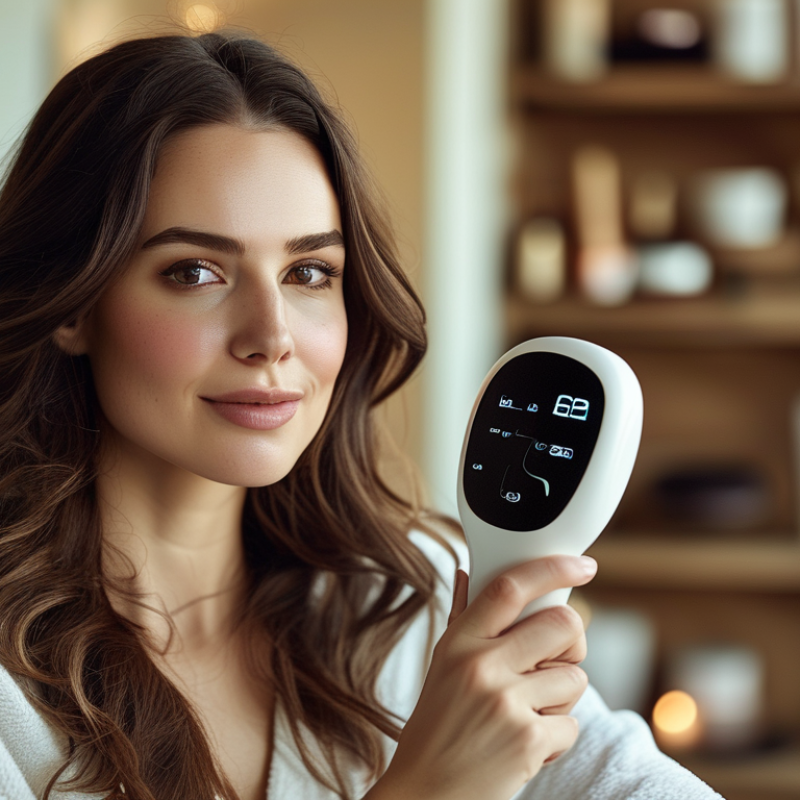
The rise of home beauty devices reflects a significant shift in consumer culture. In recent years, the global beauty device market has grown rapidly. Research from Statista indicates that the market was valued at approximately $28 billion in 2021, with projections reaching nearly $50 billion by 2028. This growth signals consumers' increasing preference for at-home beauty solutions. Convenience and accessibility seem to be driving this trend.
Many consumers are seeking professional results without salon visits. A report from the International Spa Association highlights that 61% of consumers expect to increase their use of at-home treatments. This desire for self-care aligns with a broader cultural movement towards wellness. However, there is a paradox in this trend. While efficacy and affordability drive purchases, many consumers report confusion. The abundance of devices can overwhelm, leading to ineffective usage and unmet expectations. The industry must address this gap in understanding to retain consumer trust.
Moreover, home beauty devices often promise quick results but can sometimes disappoint. Some consumers experience side effects or see insufficient outcomes, indicating a need for better education and guidance. As the market evolves, informed decisions will be critical for consumers to maximize their investments in beauty devices. The challenge lies in balancing desire with realistic expectations.
Understanding why consumers choose to use beauty devices at home is crucial in the beauty industry. Several key factors influence this trend. The accessibility of at-home beauty technology makes it appealing. Many consumers want salon-like results without the commitment or cost of regular visits. This freedom to explore personal beauty regimes is a significant driver.
Convenience plays a big role. Busy lifestyles mean that finding time for treatments can be challenging. Home devices offer flexibility; they fit easily into daily routines. However, the effectiveness of these devices can vary significantly. Users often share mixed experiences. Some find great results, while others feel disappointed. This discrepancy raises questions about claims made by manufacturers.
Education about the technology is another factor. Consumers seek credible information before purchasing. They want to know if these devices are worth their investment. Without reliable guidance, many feel overwhelmed by choices. Social media influences decisions, yet not all information shared is accurate. This gap in knowledge can lead to hesitation and skepticism among consumers.
Technology is reshaping how we experience beauty at home. With the rise of innovative devices, consumers can achieve salon-like results in the comfort of their own bathrooms. These beauty gadgets often leverage advanced technologies like microcurrent, LED light, and ultrasound. Each device promises to deliver specific benefits, from anti-aging effects to skin hydration. Users feel empowered, taking control of their beauty routines.
However, not every device lives up to its promises. The effectiveness of home beauty technology can vary widely. Users may struggle to find the right device for their needs. They might waste time and money on tools that don’t work as expected. Some may inadvertently hurt their skin with improper use. It's essential to approach these technologies with a critical eye. Researching and learning from reliable sources can make a significant difference.
Engagement with online communities can also offer insights. Many users share their experiences, successes, and failures. These conversations help others navigate the saturated market. As technology continues to evolve, it’s crucial to remain informed. Continuous reflection on personal results can enhance the overall beauty experience. Each tool comes with a learning curve, requiring patience and diligence.
Social media significantly shapes beauty trends, including the rise of at-home beauty devices. Influencers showcase these tools, captivating audiences with impressive results. Viewers often believe that if these devices work for influencers, they will work for them too. This perception is powerful and drives sales.
Finding the right device can be overwhelming. Consumers need genuine testimonials to navigate choices. Look for reviews that highlight both pros and cons. Many devices promise quick results but require consistent use. Understanding this helps manage expectations.
Engaging with beauty communities on social media provides insight. Followers share experiences, tips, and pitfalls. Participating in discussions can enhance knowledge and confidence. Begin by asking questions. Not every beauty device will suit everyone. Reflect on personal needs before purchasing.
Consumers are increasingly drawn to home beauty devices for several key reasons. Convenience is a major factor. People lead busy lives and often find it hard to schedule spa appointments. The ability to perform beauty treatments at home saves time. Users can enjoy these rituals whenever they choose, fitting them into their own schedules.
Cost is another motivating factor. Investing in a home beauty device can reduce long-term expenses associated with professional treatments. While the initial purchase may seem high, the savings can add up quickly. This financial consideration is particularly appealing to individuals seeking effective solutions without breaking the bank.
Personalized care also plays a significant role in this trend. Home devices allow consumers to tailor their routines to specific skin needs. They can experiment with various techniques and find what works best for them. However, this personalized approach can sometimes lead to overuse or misuse of products. Consumers must remain mindful about their choices to avoid potential skin issues. Balancing freedom with informed use will yield the best results.
: Consumers prefer convenience and accessibility for at-home beauty solutions.
Major reasons include time savings, cost-effectiveness, and personalized skincare routines.
Many consumers report mixed results, with some experiencing side effects or insufficient outcomes.
Influencers create powerful perceptions. Viewers may feel that if these devices work for them, they will work for others too.
Evaluating personal needs is crucial. Look for genuine testimonials and reviews discussing both pros and cons.
Yes, many devices promise quick results but require regular usage to see effective outcomes.
Yes, personalized care can lead to misuse. Consumers should be cautious to avoid potential skin problems.
Engaging with beauty communities online can provide valuable insights and help manage expectations.
Definitely. Balancing desire with realistic outcomes will help consumers maximize their investments.
Participate in discussions, ask questions, and learn from others' experiences in beauty communities.
The rise of home beauty devices in consumer culture reflects a significant shift in how individuals approach personal care. Understanding why consumers use beauty devices at home can be attributed to several key factors, including the desire for convenience and cost-effectiveness, as well as the quest for personalized care.
Advancements in technology have played a crucial role in enhancing these at-home beauty experiences, making them more effective and accessible. Furthermore, the influence of social media cannot be overlooked, as it amplifies the popularity of these devices and shapes consumer perceptions. Ultimately, the motivations behind the adoption of beauty devices at home are closely linked to a growing preference for tailored solutions that align with modern lifestyles.

TK Beauty