As we step into 2026, the beauty industry is evolving rapidly. The question on many minds is: what are the latest beauty technology trends? Innovations are impacting how we approach skincare, makeup, and wellness. The rise of personalized beauty solutions is revolutionizing our routines. Consumers are seeking products tailored to their unique needs, often driven by data and AI.
Advanced technologies, such as augmented reality, allow users to visualize products before purchase. This virtual try-on feature enhances shopping experiences. However, while these trends offer convenience, they also raise questions about authenticity. Are we prioritizing technology over genuine human experience in beauty?
Moreover, sustainability remains a focus. Brands are exploring eco-friendly materials, but many struggle with implementation. This creates a gap between intention and practice. It's clear the latest beauty technology trends strive to improve our lives, yet we must critically reflect on their broader implications. Is the industry truly aligning innovation with genuine consumer needs?
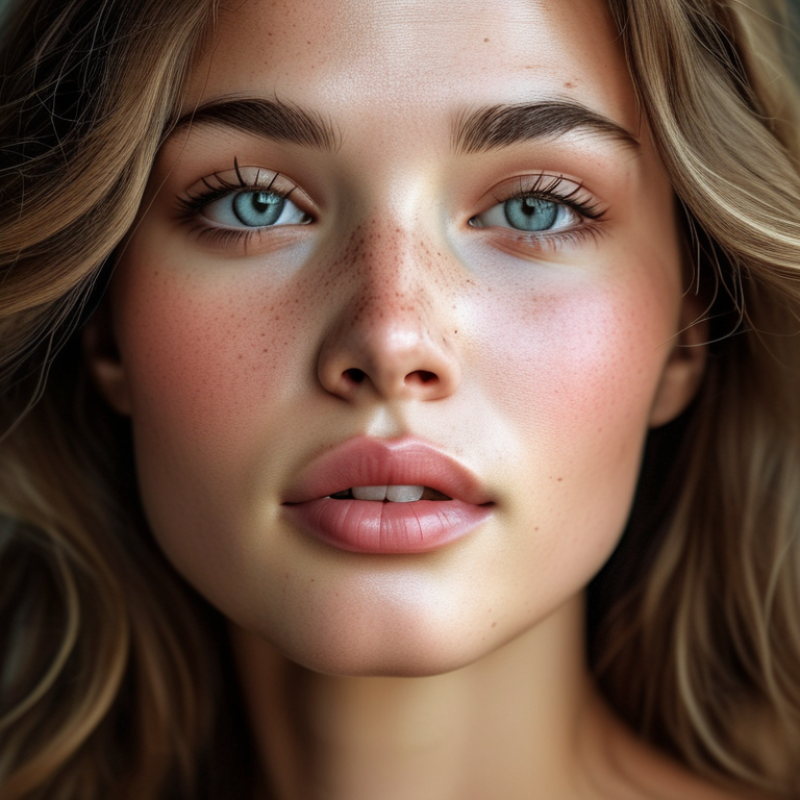
The beauty industry is undergoing a significant transformation fueled by AI-powered skincare solutions. These innovations aim to personalize skincare routines, improving efficacy and user satisfaction. With a projected market growth of 60% by 2026, the reliance on data-driven insights showcases a shift in how consumers approach their beauty regimes. AI technology analyzes skin types, concerns, and environmental factors to recommend tailored products and routines.
Tips: Ensure you keep track of your skin's response to AI recommendations. Not every algorithm fits all. If your skin reacts unexpectedly, it might be time to reassess your routine. Regularly monitoring your skin condition can lead to essential adjustments.
Furthermore, the integration of virtual consultations is changing how we interact with skincare professionals. Users can now receive expert advice without leaving home. Yet, one must be cautious. Relying solely on technology might overlook essential factors like seasonal changes or lifestyle impacts. Remember, your uniqueness is invaluable.
Tips: Don’t hesitate to combine AI insights with traditional skincare wisdom. Consider professional dermatological advice as a resource. This blend may yield the best results for your skin health. Be proactive in understanding the limits of technology in skincare.
Bioprinting is becoming a groundbreaking trend in aesthetics, reshaping personalized beauty treatments. Recent studies indicate that the global bioprinting market is expected to reach $9.6 billion by 2026, growing at a rate of 17.8% annually. This growth stems from advancements in 3D printing technologies, which allow for the creation of bioengineered skin and tissue. Such innovations promise to enhance treatment efficacy and customization.
In aesthetic applications, bioprinting creates patient-specific solutions. For instance, using bio-ink made from a patient’s cells can lead to more natural-looking outcomes. Reports suggest that this method reduces allergic reactions and improves healing times. However, challenges persist. The regulatory landscape for bioprinted materials remains uncertain, which can slow down the implementation of these technologies in clinical settings. The need for standardized protocols is critical to ensure safety and effectiveness.
Moreover, cost remains a barrier. Development and operational expenses can be high, limiting accessibility for many. While bioprinting shows great potential, further research and collaboration between scientists and practitioners are essential. Addressing these issues can help maximize the benefits of bioprinting in aesthetics, fostering an environment of innovation and trust.
In 2026, the beauty industry embraces sustainability like never before. Eco-friendly innovations are transforming products, packaging, and practices. These changes reflect a deeper understanding of environmental impact. Many brands now prioritize biodegradable formulas and recyclable packaging.
Consumers demand transparency in sourcing ingredients. They want to know where their products come from and how they impact the planet. This shift leads to more brands using responsibly sourced plant extracts. However, some companies still struggle with greenwashing, claiming sustainability while lacking real commitment.
Waterless beauty products are gaining traction. These formulas require less water in production, reducing overall water waste. Yet, the challenge lies in maintaining product effectiveness without traditional emulsifiers. The industry's journey toward eco-friendly standards is underway, but there is much room for growth and improvement. Meeting these standards demands constant reflection and a willingness to adapt.
Augmented Reality (AR) is transforming the beauty industry. Virtual try-ons are becoming increasingly popular. Customers can now see how a product looks on their skin without leaving home. This technology enables a personalized shopping experience. Shoppers can experiment with different looks instantly. It’s fun and engaging, but it can come with challenges.
While AR enhances online shopping, it can mislead sometimes. Virtual colors may not match real-life results. This discrepancy can lead to dissatisfaction. It’s essential for brands to ensure accuracy in their AR applications. Good technology can foster trust, while poor execution can harm customer relationships. Users are becoming more discerning, expecting realistic outcomes.
As brands invest in AR, they must reflect on user experiences. It is crucial to gather feedback and make adjustments. Adjustments improve technology and build credibility. Viable AR solutions have the potential to drive sales significantly. However, consistent improvement is required to meet evolving expectations. A balance between innovation and reliable results is vital for success.
As we move towards 2026, the adoption of smart devices in beauty routines is expected to rise significantly. Projected adoption rates suggest that around 30% of individuals will incorporate these innovative tools into their daily lives. These devices promise to personalize skincare and makeup applications based on individual needs. For instance, smart mirrors can analyze skin conditions in real time and recommend tailored treatments.
However, as exciting as this technology is, it is not without its limitations. Many consumers might find it challenging to trust algorithms over human expertise. Data privacy concerns could also hinder widespread acceptance. Moreover, technology can sometimes complicate rather than simplify routines, creating an overwhelming experience for users.
Embracing smart beauty tools requires a shift in mindset. Users must balance the convenience of tech with the value of traditional methods. The blending of technology with beauty rituals could lead to enhanced experiences, but also to moments of uncertainty and adaptation. In the end, understanding both the benefits and potential drawbacks is vital for consumers stepping into this new era of beauty.
| Trend | Description | Projected Adoption Rate | Impact on Routine |
|---|---|---|---|
| AI Skincare Consultation | Personalized skincare recommendations powered by artificial intelligence. | 30% | Enhances product selection accuracy. |
| Smart Mirror Technology | Interactive mirrors that provide virtual makeovers using augmented reality. | 25% | Offers real-time visualization before applying cosmetics. |
| IoT-connected Devices | Beauty devices that collect data to optimize routines. | 35% | Integrates product use with personalized feedback. |
| 3D Printing for Cosmetics | Custom makeup products generated using 3D printing technology. | 20% | Allows for bespoke product collaborations with consumers. |
| Blockchain for Transparency | Utilizing blockchain to verify product authenticity and ingredient sourcing. | 22% | Increases consumer trust in beauty products. |
: Bioprinting involves creating personalized beauty treatments using 3D printing technology. It reshapes the concept of traditional aesthetics.
The bioprinting market may reach $9.6 billion by 2026, growing at 17.8% annually due to technological advancements.
Bio-ink made from a patient’s cells offers natural-looking outcomes and reduces allergic reactions. Healing times may improve too.
Regulatory uncertainty and high development costs impede bioprinting implementation in clinical settings. Standardized protocols are essential.
The industry is embracing eco-friendly innovations, like biodegradable formulas and recyclable packaging, to reduce environmental impact.
Consumers demand clear information about ingredient sourcing and environmental effects, pushing brands to adopt more responsible practices.
Waterless beauty products use less water during production, reducing waste. However, they face challenges in maintaining effectiveness.
About 30% of individuals are expected to integrate smart devices into their beauty routines for personalized applications.
Trust in algorithms, data privacy issues, and potential complexity in routines might hinder consumers from fully embracing smart devices.
Users should embrace both the convenience of technology and traditional methods. Balancing them can enhance beauty experiences but may also create uncertainties.
In 2026, the beauty industry is set to experience significant advancements driven by cutting-edge technology. One of the most notable trends is the rise of AI-powered skincare solutions, which are projected to achieve a remarkable 60% market growth. This innovation allows for highly personalized skincare regimens based on individual needs. In addition, bioprinting technology is reshaping aesthetics by providing tailored treatments, enhancing the customization of beauty solutions.
Sustainability is also a key focus, with innovations designed to meet the 2026 eco-friendly standards becoming increasingly important. The impact of augmented reality (AR) is transforming the way consumers engage with beauty products, making virtual try-ons a standard practice in sales. Furthermore, the adoption of smart devices in daily beauty routines is expected to reach 30% by 2026, highlighting a shift toward more tech-savvy beauty experiences. Overall, understanding what are the latest beauty technology trends is essential for staying ahead in this rapidly evolving market.

TK Beauty