Why Are LED Beauty Devices Considered Effective for Skincare?

Time:2026-06-18 Author:Oliver
0%

LED beauty devices have garnered attention for their role in skincare. With the increasing popularity of these devices, many are left wondering, "are LED beauty devices effective?" Dr. Emily Harper, a dermatologist and skincare expert, emphasizes, “LED technology harnesses light to promote skin healing and rejuvenation.” Her insight highlights the scientific foundation behind these devices.

In recent years, skincare technology has advanced significantly. Many consumers want immediate results. LED devices offer a non-invasive solution for various skin concerns. They aim to target issues like acne, wrinkles, and pigmentation. However, some skepticism exists about their efficacy. Studies indicate mixed results, prompting further exploration into their effectiveness.

Real user experiences reveal a spectrum of outcomes. Some report visible improvement after consistent use, while others see minimal change. This variability raises questions. Are LED beauty devices effective for everyone? Individual skin types and conditions play a critical role in results. Understanding these nuances is essential for making informed decisions.
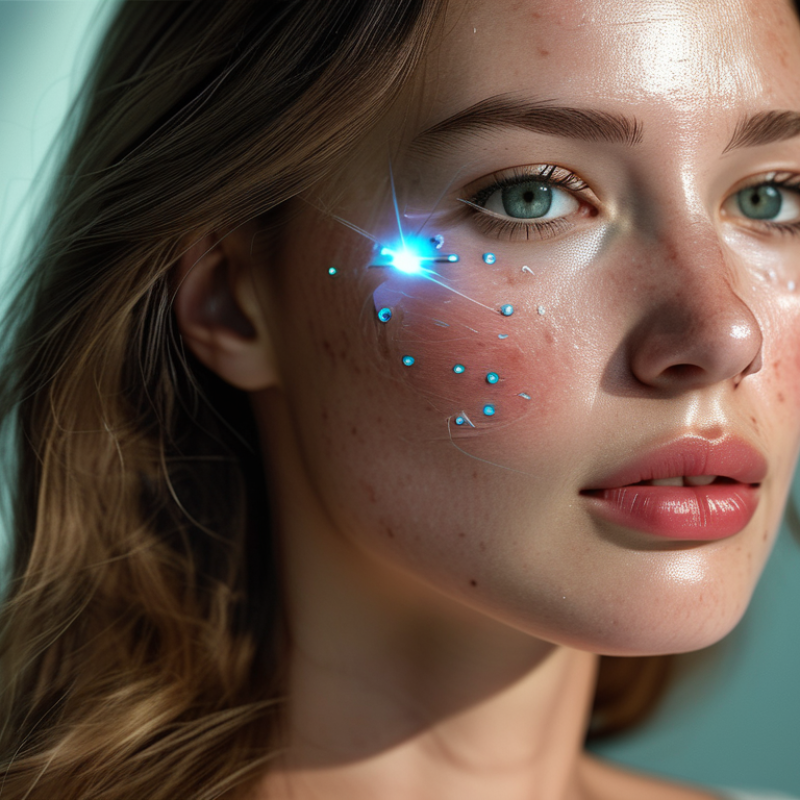
Why Are LED Beauty Devices Considered Effective for Skincare?

Understanding LED Beauty Devices: An Overview

LED beauty devices are gaining popularity in skincare routines. These devices use specific wavelengths of light to target various skin concerns. Understanding their benefits starts with recognizing how they interact with skin cells.

The red light, for example, stimulates collagen production. This helps improve skin elasticity and reduce fine lines. Blue light is effective in fighting acne-causing bacteria. It can help clear up breakouts without harsh chemicals. Green light is also gaining attention for its soothing properties, which can help with sensitivity and redness.

Tips: Always cleanse your face before using these devices. This ensures the light penetrates effectively. Start with shorter sessions and gradually increase the time. Not everyone may see instant results, and individual responses can vary. Consistency is key in any skincare regimen. Regular use over weeks may yield better results than occasional treatments. Remember, your skin's needs may change over time, so adjust your routine accordingly.

Why Are LED Beauty Devices Considered Effective for Skincare?

Dimension Value
Wavelengths Used Red (630nm), Blue (415nm), Green (525nm)
Primary Benefits Acne treatment, Anti-aging, Skin rejuvenation
Treatment Duration 10-30 minutes per session
Frequency of Use 2-3 times a week
Skin Types Effective All skin types
Recommended Temperature Room temperature, avoid extreme heat
Safety Considerations Non-invasive, minimal side effects

The Science Behind LED Light Therapy in Skincare

LED light therapy has gained popularity in the skincare world. The science supports its effectiveness. Studies show that different wavelengths of light target specific skin issues. For instance, blue light penetrates the skin to eliminate acne-causing bacteria. A report from the Journal of Cosmetic Dermatology notes a 50% reduction in acne lesions for users after consistent treatment.

Red light therapy helps reduce inflammation and boosts collagen production. Research indicates that red light can enhance the skin's elasticity, improving fine lines. One study demonstrated a 75% increase in collagen synthesis, making skin appear more youthful. These findings highlight the potential of LED devices for long-term skin health.

Despite the promising results, not everyone experiences the same benefits. Individual skin types respond differently to light therapy. Some users report minimal effects, questioning the technology's reliability. It's essential for consumers to set realistic expectations. A thorough understanding of one's skin condition is crucial before starting treatment. Advocating for consultations with skincare professionals can provide tailored insights.

Different Types of LED Lights and Their Skincare Benefits

LED beauty devices have gained popularity for their effectiveness in skincare. Different types of LED lights target various skin concerns, each offering unique benefits. For instance, red light therapy enhances collagen production, reducing wrinkles and fine lines. A study published in the Journal of Cosmetic Dermatology found that 70% of participants saw significant improvement in skin texture after eight weeks of red light therapy.

Blue light therapy is effective for acne-prone skin. It works by killing bacteria that cause acne, reducing breakouts. Research indicates that blue light can decrease inflammation and diminish acne lesions. However, some users report that blue light treatments may cause temporary dryness or irritation. It’s important to find a balance for your skin type.

Tips: Always perform a patch test before using a new LED device. Start with shorter sessions to see how your skin reacts. Consistency is key to achieving visible results. Also, remember to use sunscreen daily, as some LED treatments can make skin more sensitive to light. Embrace the journey of discovering what works for your skin.

How to Use LED Beauty Devices Effectively for Optimal Results

LED beauty devices have gained immense popularity due to their effectiveness in skincare. To achieve optimal results, using these devices correctly is crucial. Begin with a clean face. Remove makeup and wash thoroughly. This ensures better penetration of light therapy. Dermatologists recommend using LED devices three to five times a week for around 20 minutes each session. Consistency plays a key role in maximizing the benefits.

Selecting the right wavelength is essential. Red light targets wrinkles and promotes collagen production, while blue light helps clear acne. According to a study published in the Journal of Clinical and Aesthetic Dermatology, 84% of participants showed improvement in acne lesions after consistent blue light treatment. Adjust the device settings according to your skin type and needs. Listening to your skin is vital. Some users may experience temporary redness or sensitivity. It’s important to allow your skin to rest.

Incorporating LED devices into your routine can be simple and rewarding. Always follow up with moisturizer. This hydrates the skin and enhances the effects of the light therapy. Track your progress over time, noting improvements or concerns. Documenting skin changes encourages reflection and fine-tuning of your routine. Ultimately, the right approach can lead to noticeable improvements in your skin's appearance.

Effectiveness of LED Beauty Devices in Skincare

Safety Considerations and Best Practices for LED Skin Treatments

LED skin treatments have gained popularity in recent years. They are often seen as a safe and effective option for various skin concerns. A report from the American Academy of Dermatology states that LED devices can help reduce acne, wrinkles, and hyperpigmentation. However, safety considerations are crucial when using these treatments, especially for those with sensitive skin.

It is important to understand the types of light being used. Red light, for example, is known for its anti-aging benefits, while blue light can target acne-causing bacteria. According to the Journal of Clinical and Aesthetic Dermatology, appropriate wavelength and duration of exposure are key factors in achieving optimal results. Users must also be cautious about potential side effects, such as redness or irritation, particularly with prolonged use. Not everyone responds to LED therapy the same way, and some may require professional guidance.

Best practices include following manufacturer guidelines and starting with short sessions. A 30-minute treatment may seem appealing, but starting with 10-15 minutes allows your skin to adjust. Those with pre-existing skin conditions should consult a dermatologist before use. Remember, safety is not just about effectiveness; it’s also about personal responsibility in caring for your skin.

FAQS

: What is LED light therapy?

: LED light therapy uses different wavelengths of light to treat various skin issues.

How does blue light therapy work?

Blue light therapy targets acne-causing bacteria, helping to reduce breakouts effectively.

What benefits does red light therapy offer?

Red light therapy boosts collagen, reduces wrinkles, and improves skin elasticity, aiding in youthful appearance.

Are results the same for everyone?

No, individual skin types respond differently. Some may see minimal effects while others enjoy significant results.

How long does it take to see results?

Consistent use is crucial. Some users report visible improvements in about eight weeks.

Can LED treatments cause any side effects?

Yes, blue light may lead to temporary dryness or irritation for some users.

Should I consult a professional before starting treatment?

Yes, consulting a skincare professional can provide tailored advice based on individual skin conditions.

Is it necessary to use sunscreen during treatment?

Yes, using sunscreen is essential as LED treatments can increase skin sensitivity to sunlight.

What should I do if I experience irritation?

If irritation occurs, consider adjusting the treatment length or frequency and consult a professional.

How can I determine the right LED therapy for my skin?

Understanding your skin type and concerns is vital. A patch test can help find the right balance.

Conclusion

LED beauty devices have gained popularity in skincare due to their proven effectiveness in treating various skin concerns. Understanding how these devices work involves delving into the science behind LED light therapy, which uses different wavelengths of light to stimulate skin healing, reduce inflammation, and promote collagen production. Each type of LED light offers distinct benefits; for instance, red light is known for anti-aging effects, while blue light targets acne-causing bacteria.

To achieve optimal results, it's crucial to use LED beauty devices correctly. Following recommended usage guidelines can maximize their effectiveness while ensuring safe treatments. Overall, the consensus in skincare is clear: when used properly, LED beauty devices are effective tools for enhancing skin health and appearance, offering a non-invasive alternative to traditional skincare methods.

Oliver

Oliver

Oliver is a seasoned marketing professional with a wealth of expertise in driving brand awareness and engagement. With a deep understanding of our company's product offerings, he consistently delivers high-quality content that enriches our professional blog. His insights not only shed light on......