7 Tips to Choose Beauty Tools for Sensitive Skin?

Time:2026-09-09 Author:Liam
0%

Choosing a jade roller, cleansing brush, or facial razor can feel risky when your skin flushes easily. The wrong texture may leave redness across your cheeks, while excessive pressure can create stinging that lasts for hours. This guide explains how to choose beauty tools for sensitive skin without relying on attractive packaging or vague promises.

Board-certified dermatologist Dr. Hadley King describes sensitive skin as “a subjective condition,” because people can react differently to the same product or device. Her observation matters. A tool that feels soothing for one person may cause burning for another. Look for smooth, rounded surfaces, soft synthetic bristles, adjustable settings, and materials that are easy to clean. Avoid rough edges, intense vibration, and tools that generate noticeable heat. Your skin should feel comfortable, not scraped or numb.

A careful choice also includes hygiene. Wash reusable tools after each use, then let them dry completely. Test a new tool on a small jawline area before using it across your face. Watch for warmth, itching, tightness, or persistent redness. Stop if these signs appear. Patch testing is helpful, but it cannot predict every reaction. That limitation deserves attention.

The following seven tips examine tool materials, pressure, movement, cleaning, frequency, product compatibility, and professional advice. They are practical rather than perfect. Even gentle tools can become irritating when used too often, especially after exfoliation or during a flare-up. Your skin’s response should guide the routine.
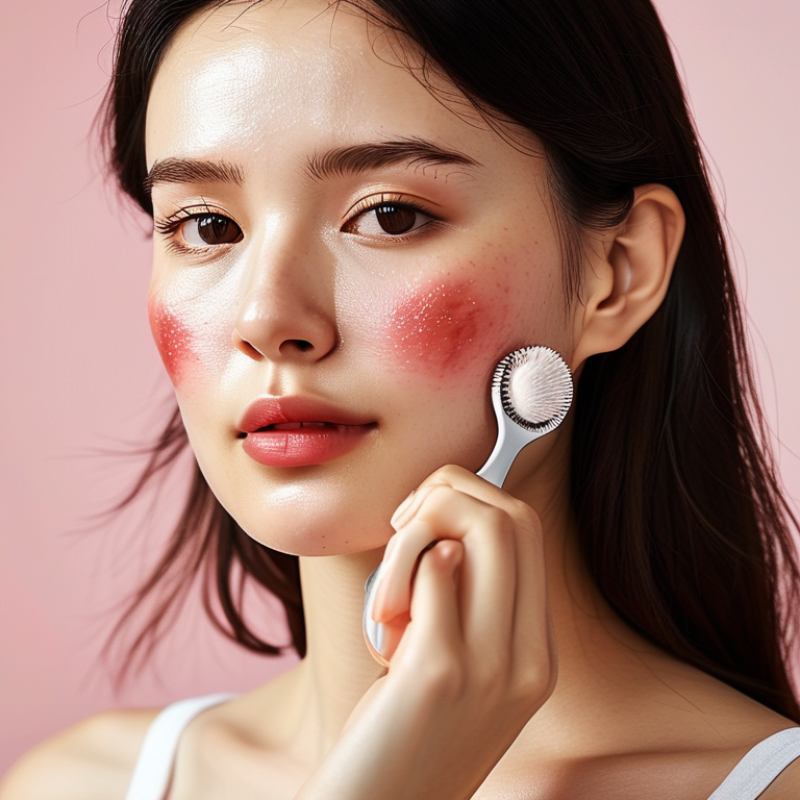
7 Tips to Choose Beauty Tools for Sensitive Skin?

Understanding Sensitive Skin and Beauty Tool Compatibility

7 Tips to Choose Beauty Tools for Sensitive Skin

Understanding Sensitive Skin and Beauty Tool Compatibility

Sensitive skin may react to friction, heat, vibration, or residue. Compatibility depends on your skin’s triggers, not the tool’s popularity. I have found that gentler choices often perform better than intense devices.

Identify your main trigger before shopping. Tip one: choose smooth, rounded surfaces without rough seams. Tip two: prefer nonporous materials that clean easily. Tip three: select adjustable pressure or speed settings. Less friction matters. Tip four: avoid strong heat or vibration at first. A calming routine should not leave lasting redness. Test carefully.

Tip five: try the tool on a small jawline area for a short session. Patch test first. Wait and observe before using it across your face. Tip six: clean the tool after every use, then let it dry fully. Shared or damp tools can collect unwanted residue. Replace damaged attachments promptly. Tip seven: stop when you feel burning, swelling, persistent itching, or pain. A dermatologist can help assess repeated reactions, especially with eczema or rosacea. My own judgment is not perfect; even a gentle tool may fail during a flare-up. Keep a simple record of pressure, timing, and skin response. That small habit makes compatibility easier to evaluate.

Sensitive Skin and Beauty Tool Compatibility

Typical pH ranges help explain why gentle, non-abrasive tools and pH-balanced products are usually better choices for sensitive skin.

Healthy facial skin is mildly acidic, generally around pH 4.5–5.5. Traditional alkaline soap can reach pH 9–10, which may disrupt the skin barrier and increase dryness or irritation. Choose soft, low-friction tools, avoid aggressive scrubbing, and patch-test new products before regular use.

Checking Materials, Textures, and Product Safety

7 Tips to Choose Beauty Tools for Sensitive Skin

Sensitive skin needs fewer surprises.

Tip 1: Choose medical-grade silicone, smooth stainless steel, or untreated wood. Avoid rough plastic edges and uncertain coatings.

Tip 2: Feel the texture first. A soft, even surface should not drag across your cheek.

Tip 3: Inspect every seam, handle, and corner. Tiny cracks can collect residue. The U.S. Food and Drug Administration states that “hypoallergenic” has no standardized legal definition, so read the material details instead of trusting the label.

Tip 4: Prefer fragrance-free tools and simple formulations. Fragrance remains a frequent trigger in cosmetic contact reactions, according to reviews published in Contact Dermatitis.

Cleanliness matters as much as material.

Tip 5: Wash reusable tools after each use with mild, unscented cleanser, then dry them completely. Damp storage encourages microbial growth. The American Academy of Dermatology recommends testing new skincare products on a small area for seven to ten days; the same cautious habit makes sense for tool-related products.

Tip 6: Patch-test contact materials near the jaw, not directly beside the eyes. Stop if burning, swelling, or persistent redness appears.

Tip 7: Replace tools with peeling surfaces, rusty spots, or damaged bristles. Do not share them. I once assumed a softer sponge was automatically safer, but its hidden moisture became the real problem. That detail is easy to miss. Professional safety guidance from the FDA and EU cosmetic-science authorities supports checking composition, contamination risks, and clear use instructions before purchase.

Choosing Gentle Tools for Cleansing and Exfoliation

Sensitive skin needs less friction, not more equipment. Choose cleansing tools with flexible, rounded surfaces and no stiff bristles. A smooth silicone surface can be easier to rinse and clean than woven fabric. However, even soft silicone may irritate skin when pressed too firmly. I learned this after using a gentle-looking tool for too long. My cheeks became tight and slightly red. Use lukewarm water, light circular movements, and no more than thirty seconds on each area. If your skin feels hot, sore, or unusually tight, stop immediately.

Exfoliation requires extra care. A soft, clean washcloth may provide enough mild polishing for some people. Avoid rough sponges, sharp edges, and tools that leave scratches or burning sensations. Use physical exfoliation only occasionally, especially when your skin barrier feels dry. Do not combine it with a strong exfoliating product on the same day. Patch-test a new tool near the jawline first, then watch the area for twenty-four hours. Clean the tool after every use and let it dry completely. Moisture can support unwanted microbial growth. Replace worn tools promptly. I still find it difficult to judge the perfect frequency because sensitive skin changes with weather, stress, and medication. A dermatologist can help when irritation continues or keeps returning.

Evaluating Hygiene, Maintenance, and Replaceable Parts

7 Tips to Choose Beauty Tools for Sensitive Skin?

Evaluating Hygiene, Maintenance, and Replaceable Parts

Sensitive skin needs more than a soft-looking tool. It needs a cleanable design. Choose tools with smooth surfaces, tight seams, and few hidden grooves. These details reduce residue buildup. Wash your hands before use. Clean the tool according to its material and instructions. Some materials tolerate mild soap, while others may deteriorate with strong alcohol. Never share face-contact tools, even after cleaning.

Drying matters as much as washing. Moisture trapped inside a brush head or roller can encourage microbial growth. Place cleaned tools on a dry, breathable towel. Avoid sealed storage until every part feels completely dry. Check the handle, charging port, and attachment points weekly. Look for odor, discoloration, loose parts, or rough edges. Small damage can create friction and irritation. Stop using the tool when the skin burns, swells, or develops persistent redness.

Replaceable heads can improve hygiene and reduce waste, but only when replacement parts remain available. Confirm that heads, pads, filters, or protective caps can be purchased separately. Follow the stated replacement schedule, especially for porous materials. A worn surface may hold residue that cleaning cannot remove. I sometimes keep tools longer than I should. That is not a good standard. Sensitive skin often responds better to fewer uses and gentler pressure. Patch-test a new tool on a small area first, and ask a qualified dermatologist about recurring reactions.

Testing New Beauty Tools and Recognizing Skin Reactions

Testing a new beauty tool matters more than choosing the trendiest design. Sensitive skin may react to pressure, heat, vibration, or leftover cleanser. Wash the tool carefully and let it dry completely before use. Test it on a small jawline area, not across your whole face. Use gentle pressure for less than one minute. Keep it boring.

Wait at least 24 hours before increasing contact time. Some reactions appear later, especially after repeated friction. Avoid testing after sun exposure, shaving, exfoliation, or when your skin already feels tight. Change only one product or tool at a time. Write down the date, duration, pressure, and any redness. This simple record can reveal patterns that memory misses.

A brief pink flush may fade quickly, but burning, itching, swelling, raised bumps, or persistent redness deserves attention. Stop using the tool and rinse with lukewarm water. Do not scrub the area or apply several new products to calm it. I once assumed mild tingling meant better performance; it was actually a warning. That judgment was wrong. If symptoms become severe, spread, or continue, consult a qualified medical professional. Clean the tool again before any future test, and replace it if cracks or rough edges could scratch the skin.

FAQS

: Which materials are gentler for sensitive skin?

: Choose medical-grade silicone, smooth stainless steel, or untreated wood. Avoid rough edges and unclear coatings.

What should a beauty tool feel like?

Its surface should feel smooth and even. It should glide across your cheek without dragging.

How can I inspect a tool before buying it?

Check seams, handles, corners, and bristles. Tiny cracks may hold residue and moisture.

Is “hypoallergenic” enough to prove a tool is safe?

No. The term has no standardized legal definition. Read the material details instead.

How should reusable tools be cleaned?

Wash them after every use with mild, unscented cleanser. Rinse well and dry completely.

How should I test a new tool?

Test it on a small jawline area. Use gentle pressure for less than one minute, then wait 24 hours.

When should I avoid testing a new beauty tool?

Avoid testing after sun exposure, shaving, or exfoliation. Do not test when your skin feels tight.

What signs mean I should stop using the tool?

Stop if burning, itching, swelling, raised bumps, or lasting redness appears. Rinse gently with lukewarm water.

How often should I use cleansing or exfoliating tools?

Use light circular movements for no more than 30 seconds per area. Exfoliate only occasionally.

When should a beauty tool be replaced?

Replace tools with peeling surfaces, rust, damaged bristles, cracks, or rough edges. Do not share them.

Conclusion

Choosing the right beauty tools is especially important for people with sensitive skin. This guide explains how to choose beauty tools for sensitive skin by first understanding common signs of sensitivity, such as redness, dryness, stinging, or irritation. Pay attention to soft textures, smooth surfaces, non-irritating materials, and simple designs that reduce friction. For cleansing and exfoliation, select gentle tools that support the skin barrier rather than creating excessive pressure or abrasion. Avoid tools that feel harsh, scratchy, or uncomfortable during use.

Hygiene and maintenance are also essential. Beauty tools should be easy to clean, dry thoroughly, and include replaceable parts when necessary to help reduce buildup. When trying a new tool, test it carefully on a small area and introduce it gradually. Stop using it if you notice persistent redness, burning, swelling, or discomfort. By combining suitable materials, gentle performance, proper care, and careful testing, you can create a safer and more comfortable beauty routine for sensitive skin.

Liam

Liam

Liam is a dedicated marketing professional with a profound expertise in the industry, where he excels at highlighting the unique advantages of our core products. With a keen understanding of market trends and consumer needs, Liam frequently updates our company’s professional blog, providing......